Managing a Multigenerational Workforce
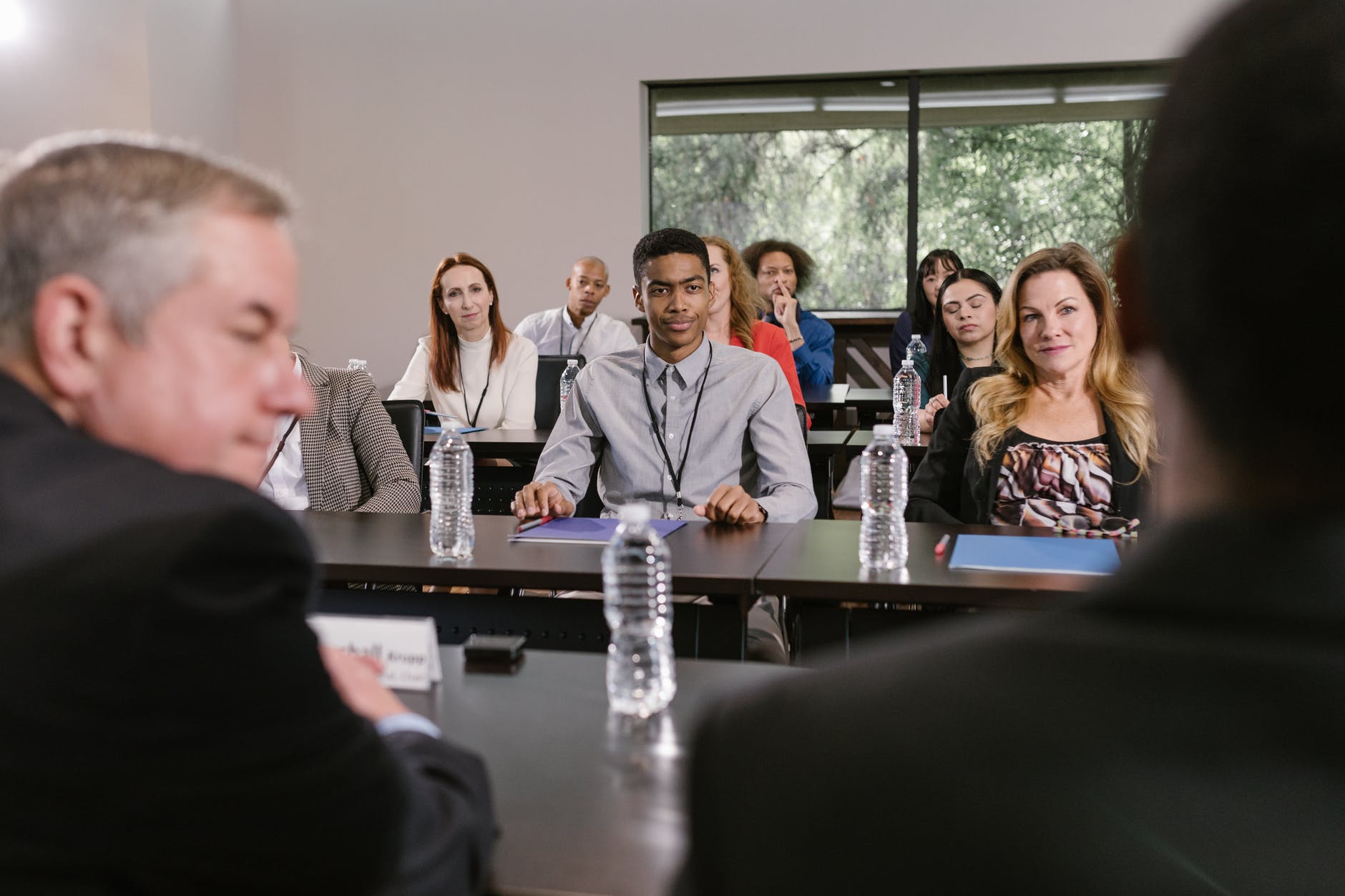
“Each generation brings unique characteristics to the workforce, which should be embraced.” -Tim Hird
The current workplace is multigenerational and is composed of the following employees: Traditionalists, Baby Boomers, Generation X, Generation Y, and Generation Z.
What are the Key Characteristics of Each Generation?
Traditionalists (Silent Generation)
Traditionalist comprise 2% of the workforce in the United States and were born between 1925-1945. They lived through the Great Depression and World War II and were shaped by those events. In the workplace, they value respect and being loyal to their company. In turn, they expect their companies to provide relevant and satisfying work experiences. Their communication style is more personable than some other generations, and they prefer to communicate offline rather than through email.
Baby Boomers (Boomers)
Baby Boomers represent 25% of the workforce in the United States and were born between 1946-1964. They are more reserved than other generations. In regard to communication, they prefer to use email. Amayah and Gedro (2014) says that Baby Boomers have been unfairly stereotyped as being resistant to technology. Baby Boomers are not resistant to technology in the workplace, they simply don’t want to use it just for the sake of using technology. In the workplace, they want the work they do to be meaningful, but they also prefer extrinsic rewards of higher pay. (Amayah & Gedro, 2014; Kelly and Schaffert, 2019)
Generation X (Gen X)
Generation X represent 33% of the workforce in the United States and were born between 1965-1980. They prefer structure and respect in workplace relationships. They embrace change. Gen X wants to be of service to their coworkers and prefer intrinsic rewards of helping others. (Amayah & Gedro, 2014). Like Boomers, they also want the work they do to be meaningful (Kelly & Schaffert, 2019).
Generation Y (Millennials)
Generation Y represent 35% of the workforce in the United States and were born between 1981-2000. They are the largest demographic in the United States and comprise the largest portion of the workforce (Mondres, 2019). Millennials prefer collaborative communication in the workplace and embrace change. They are a texting generation, instead of email. Like the previously discussed generations, they want the work they do to be meaningful (Kelly and Schaffert, 2019). In addition to a meaningful job, millennials want purpose and to be empowered by their career choice. They prefer to work in organizations that are innovative and sustainable.
Generation Z (Gen Z)
Generation Z currently comprises 5% of the workforce in the United States. They are the most diverse generation and may see diversity in the workplace as a given. (New Study, 2018). They prefer to collaborate with other employees in-person. In a study of more than 400 Generation Z, 77% said that feeling safe at work was their number one priority (New Study, 2018). They prefer for change to continually happen. Like millennials, they prefer texting to email. As with the other three generations, Gen Z workers want the work they do to be meaningful (Kelly and Schaffert, 2019). Gen Z has a strong work ethic, especially when they are doing what they love (Mondres, 2019).
What Hinders Multigenerational Employees from Working Together Cohesively?
Even though the 21st Century multigenerational workforce is rich in diversity, creativity, and talent, it also presents challenges for managers and leaders when trying to create a cohesive work team. In fact, generational differences can lead to confusion, resulting from communication difficulties, unmet behavior expectations and conflict.
Communication Difficulties
When there are four or more generations in the workplace, expect that there will be communication difficulties. More than 30% of executives said that combating generational communication differences to be one of the greatest workplace challenges. It is worth noting that in a study conducted by Randstad Workmonitor, almost 90% of respondents said they preferred to work with coworkers of different generations. However, they also reported that the hardest part of working between generations was when there was a breakdown in communication. When generations have a lack of respect for each other, this creates tension and causes communication problems.
Unmet Behavior Expectations
A determining factor on how the multigenerational workforce relates to each other is how the leadership treats them. The leader should be a facilitator on these relationships. The leader should demonstrate how to treat someone who is younger or older and motivate the employees to understand one another. Each generation needs to be able to see the value in each other. Leaders should treat their employees ethically and demand that employees treat each other the same way. It is up to the organization to emphasize that regardless of what generation an employee represents, every employee should be treated equally and respectfully. (Kelly & Schaffert, 2019)
Conflict
Another problem of the multigenerational workforce is conflict. Generational gaps can make it difficult to not only work with other people, but to solve problems. (Andre, 2018; McNally, 2017). Older employees expect to be respected and looked up to by younger employees. And younger employees just want to be treated as equals. When this doesn’t happen, conflict occurs. It causes stress and an unhappy work environment. If it is successfully resolved, conflict can transcend generational issues (Andre, 2018; McNally, 2017).
Are Managers Prepared to Manage a Multigenerational Workforce?
A study of managers showed that 25% were tasked with managing multigenerational teams. The managers reported that it was a challenging task. The expectations of working with different generations was a concern of 77% of employees. (Hicks-Merinar, Associate, & Steptoe, 2019) As more millennials are being placed in authority over older employees, some are feeling uncertain and skeptical about working on multigenerational teams. As the current makeup of the workforce is quite diverse, many are unsure how to adjust to their environments. (Hicks-Merinar, Associate, & Steptoe, 2019).
What are Some Tips to Help Leaders Manage a Multigenerational Workforce?
A study by Robert Half Management Resources discovered that employees in different generations have different experiences and communication styles which needed to be addressed. As a result of the study, Robert Half Management Resources offered several tips to help in collaborating with employees from different generations.
Tip#1
Leaders must realize that all employees seek to be their best in the workplace. Understanding this as a first step will help leaders as they navigate the various nuances of multigenerational workers.
Tip#2
Leaders should modify their management style to focus on the needs of each individual employee and by getting to know the employees’ personality.
Tip#3
Leaders should encourage employees to socialize outside of the office so they can get to know one another and better understand each other.
Tip#4
Leaders should give younger employees opportunities to lead and share their experiences with older employees.
Tip#5
Leaders should work to have a good mix of employees from different generations on teams, which may facilitate creative problem-solving and innovation.
The Takeaway
A multigenerational workforce can be a great asset when the problems described in this article are addressed. If they are left unaddressed, expect additional problems to emerge in the workplace. (Hicks-Merinar, Associate, & Steptoe, 2019; Balakrishnan, 2018).
References
André, Shelley, RN, BN, CPN(C). (2018). Embracing generational diversity: reducing and managing workplace conflict. ORNAC Journal, 36(4), 13.
Amayah, A. T., & Gedro, J. (2014). Understanding generational diversity: Strategic human resource management and development across the generational “divide”. New Horizons in Adult Education & Human Resource Development, 26(2), 36-48.
Balakrishnan, B. (2018, 08). Managing A multigenerational workforce. Talent Management Excellence Essentials.
Hicks-Merinar, S., Associate, & Steptoe, J. P. (2019). Managing a multigenerational workforce. Brentwood: Newstex.
Kelly, P. W., & Schaffert, C. (2019). Generational differences in definitions of meaningful work: A mixed methods study: JBE. Journal of Business Ethics, 156(4), 1045-1061.
McNally, K., R.N. (2017). Leading a multigenerational workforce. Healthcare Executive, 32(1), 58-61.
Mondres, T. (2019). How generation Z is changing financial services. American Bankers Association.ABA Banking Journal, 111(1), 24.
New study, gen Z gets to work, sheds light on gen Z`s workforce debut. (2018, May 18). ICT Monitor Worldwide.
Return to Portfolio.